

I’m an Unapologetically Difficult Woman – Volume 1
For all the women who have ever been called "difficult"

“Women who think critically are always labeled difficult because it saves the world from admitting they’re right.” — bell hooks
I’ve lost count of how many men over the years have told me I’m “difficult”. One man even told me that I talk too much. But when women are called difficult, it really just means you dare to have an opinion. You dare to know what’s best for yourself. You dare to go against the patriarchy. You dare to resist. You dare to speak truth to power. You dare to be disobedient. You dare to think critically.
And for that reason, it’s an honor to be called a difficult woman.
For Black women especially, any time we demand equity, set boundaries, demand equitable pay, talk about dismantling white supremacy, ask for anything more than the crumbs, we are labeled “difficult.”
And in the current political climate, we’re swiftly disregarded for being “difficult”. This is one of the many reasons that more that 300,000 Black women were forced out of the workforce between February and April of 2025.
And while I am not traditionally employed, with the bulk of my work being freelance, the change in political climate has impacted my work in a major way over the past 18 months. To be a Black woman who dares to publicly speak up in support of Palestine, against this administration, to denounce ICE, to be political in any way, is not without consequences.
But what other choice is there really? Because to be a woman, a Black woman especially, is inherently political.
So in honor of Black History Month (which is really just American history) and in honor of difficult women, each newsletter this month will be inspired by a “difficult” Black woman.
When I think of difficult women who have formed and shaped the way I think about the world, Black feminist and womanist writers are among the top of that list.
The first difficult woman I’m honoring is Angela Davis, an author, political activist, and scholar who is renowned for her advocacy for civil rights, social justice, prison abolition, and immigration rights among other things.
In 1970, she became the 3rd woman ever to be placed on the FBI’s Top 10 Most Wanted Fugitives list and was considered “armed and dangerous”, in connection to a courtroom shoot out in Marin County, California.
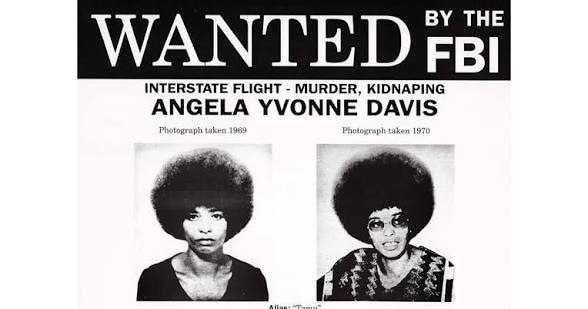
This was after being fired from UCLA in 1969 because of her political activism and her affiliation with the Communist Party, a decision later overturned in court. Following her arrest, David spent nearly 17 months in jail before she was released on bail and later acquitted of all charges in 1972. You can read more about it HERE if that interests you.
Following this experience, Davis became a fierce advocate of prison reform and abolition, denouncing the industrial prison complex.
Every part of the work Angela Davis has done is through the lens of intersectionality, displaying the intricate connection between race, class, and gender.
In her book, Freedom is a Constant Struggle: Ferguson, Palestine, and the Foundations of a Movement, she writes:
“Black feminism emerged as a theoretical and practical effort demonstrating that race, gender, and class are inseparable in the social worlds we inhabit. At the time of its emergence, Black women were frequently asked to choose whether the Black movement or the women’s movement was most important. The response was that this was the wrong question.”
I highly encourage you grab a copy of this book or run to your local library and check it out.
It’s a text I return to time and time again.
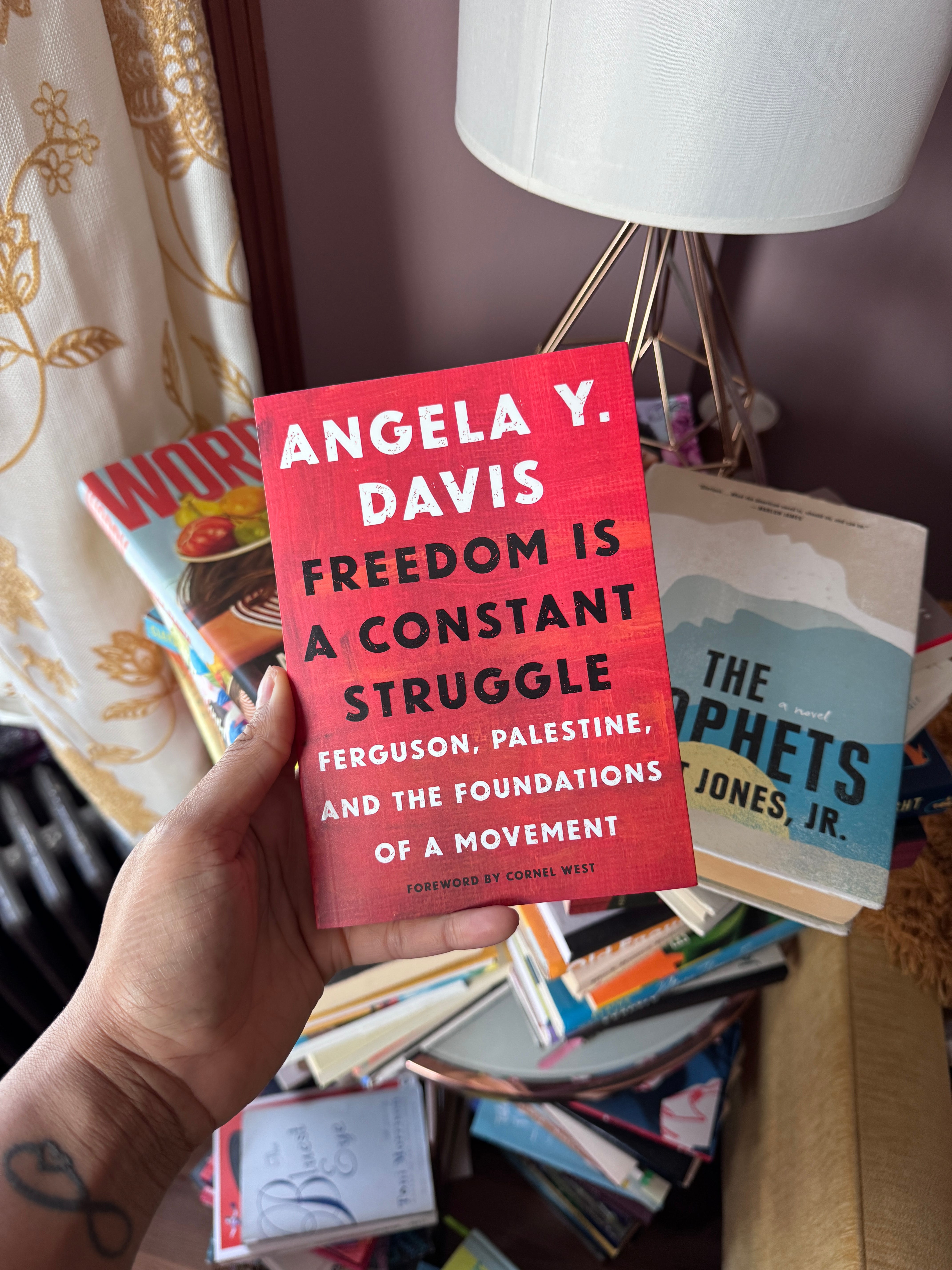
Angela was such a difficult woman that the FBI deemed her, “armed and dangerous.”
While I’ll never be remembered alongside the likes of Angela Davis, I do hope to be remembered as a difficult woman.
In honor of Black History Month, I’m asking people to support my work financially by becoming a paid subscriber. And if you don’t have the means, then share this newsletter which someone you think would enjoy it.
A Cool Thing from January….
My colleague Louise Green, a size inclusive fitness expert, whom I have admired for a long time, started a new digital magazine, and I had the honor of being on the cover for January.
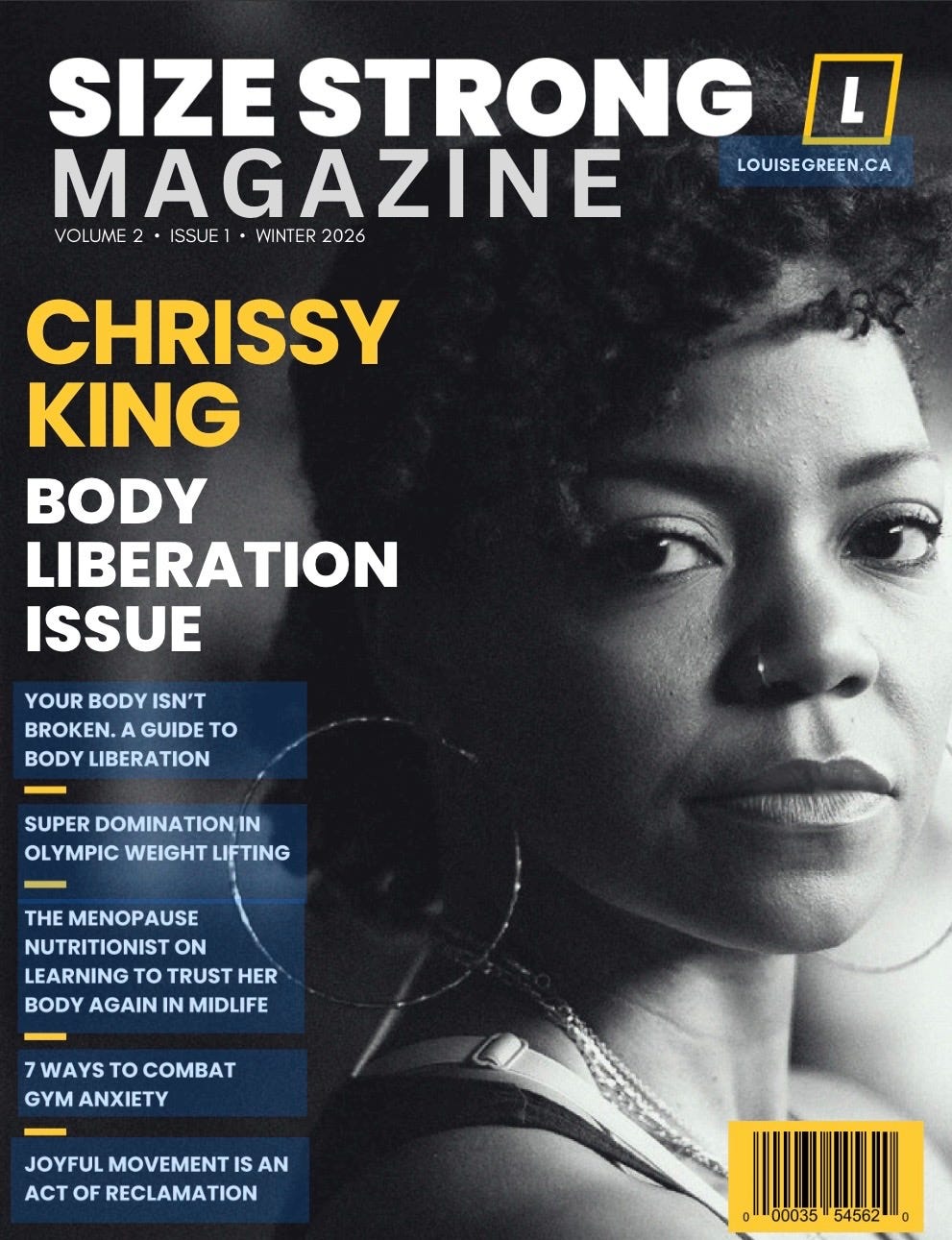
I also wrote two articles for the mag so if you’re interested you can check those and the entire magazine out HERE.
Thank you so much for reading The Liberation Collective. I’m eternally grateful to have you here. You can also follow along on Instagram and TikTok. And if you want to partner with me, you can email me at info@chrissyking.com
Enjoyed this article but not ready or able to become a paid subscriber? Buy me a coffee instead.

P.S. — my inner circle is where people get all the extras — journal prompts, my favorite things, and behind the scenes bonuses.
Your support as a paid subscriber on my Substack is essential to sustaining the work I do. I’m committed to keeping my writing accessible to everyone, but to maintain this structure, I need your help. By subscribing, you’re not just supporting me, a Black woman writer, you’re investing in a platform that’s committed to sharing meaningful and thoughtful content.
Please consider joining as a paid subscriber today to support my work.
Thank you!!
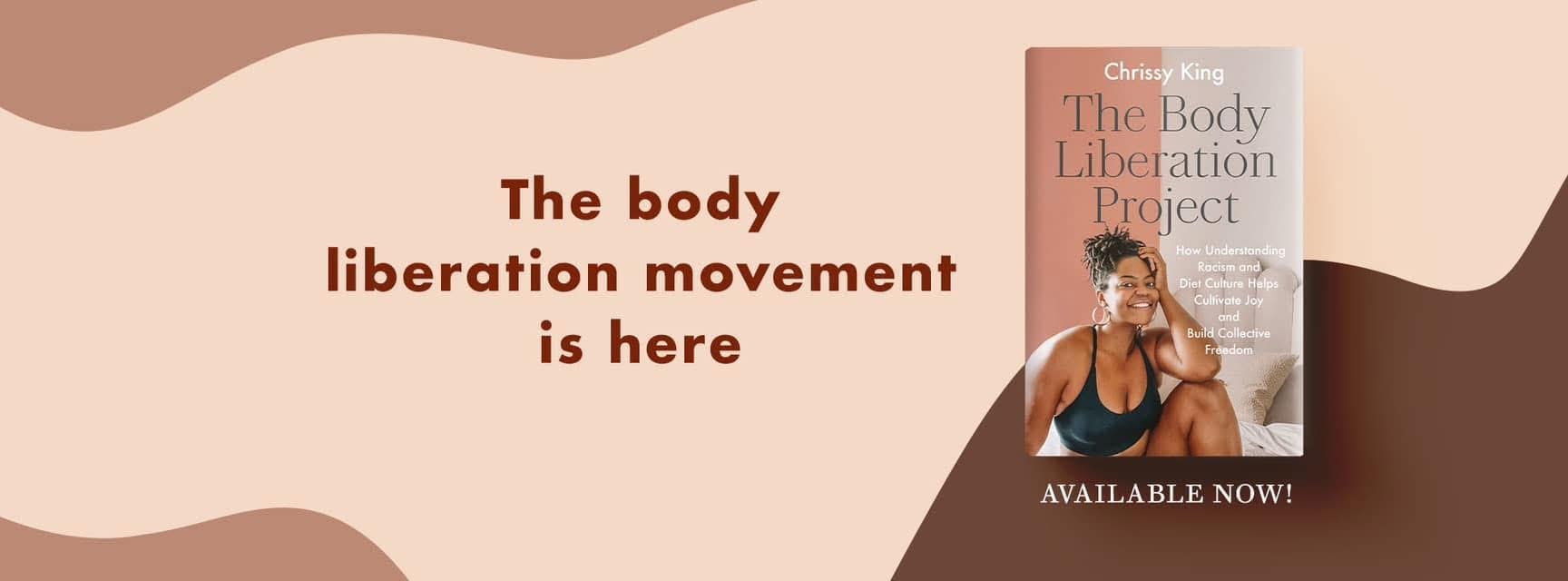
Every. Word. The difficult women will save us. (Aka we will save us)
I often think of how simply having a difference of opinion some how alters the energy or mood of most gatherings or conversation when a man is involved.
May we all be extremely difficult, armed, and dangerous.